
Burlington, VT
Tracking 8,954 properties across Burlington, Vermont — a community where the median home dates to 1940 and the oldest to 1798. Every parcel mapped with building characteristics, environmental exposure, hazard risk, and ownership history assembled from 140+ sources.
Burlington, VTInc. 1783
Burlington is Vermont's largest city and the economic and cultural center of the state, positioned on the eastern shore of Lake Champlain with the Green Mountains as a backdrop. The University of Vermont and its medical center are the largest employers, and the Church Street Marketplace — a pedestrian mall downtown — is one of the most successful urban public spaces in New England. The city's progressive character and quality of life have driven sustained demand.
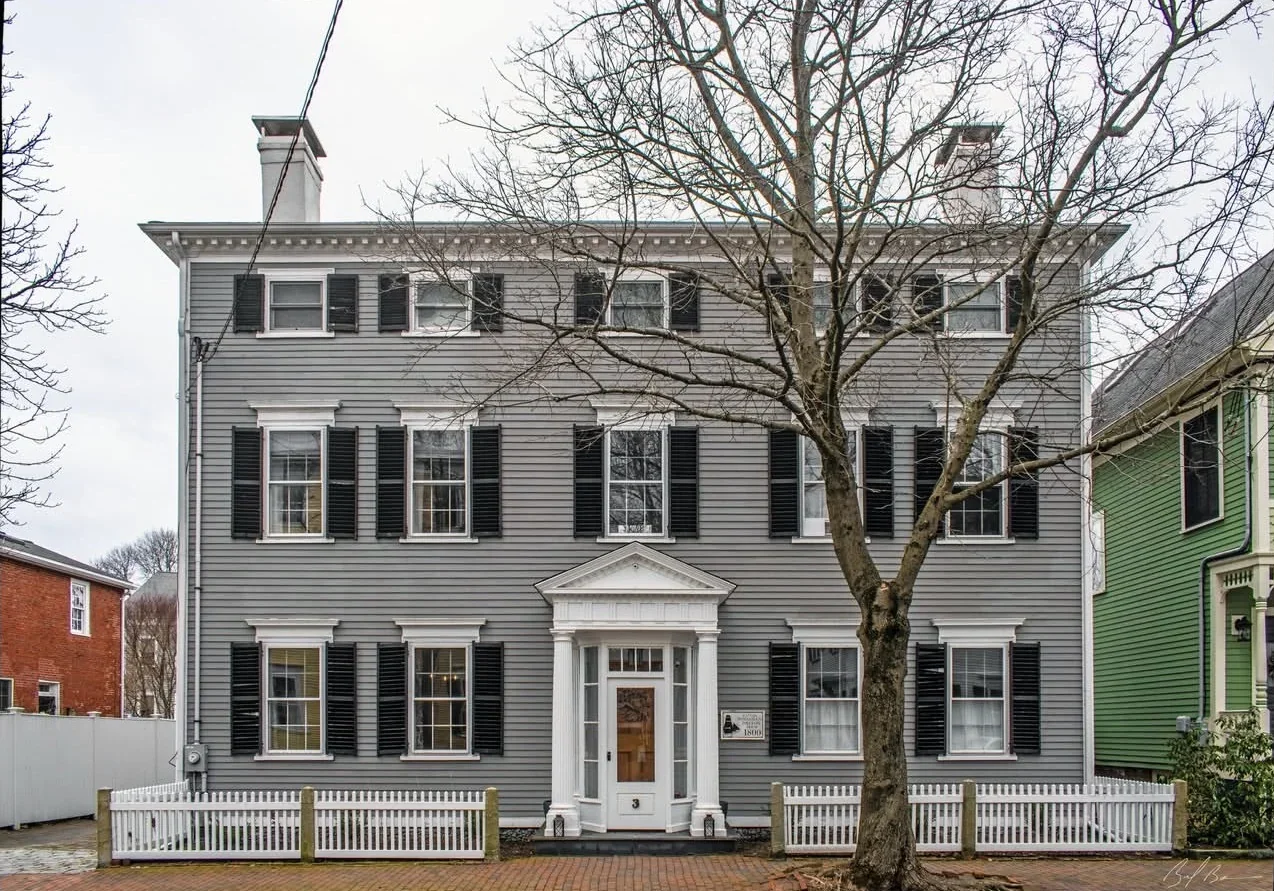
For property professionals, Burlington is the most complex market in Vermont — urban density on the waterfront and in the Hill Section, the university's institutional land holdings and rental demand, the Lake Champlain shoreline creating flood and environmental considerations, and a housing stock that spans from student multi-family to Victorian homes to modern condominiums. The city's small size relative to its regional importance means the market is intense and competitive.
Risk Profile
FEMA flood zones, fire protection grades, radon — parcel by parcel
FEMA Flood Zones
84 properties (1%) are in FEMA Special Flood Hazard Areas, where flood insurance is required for federally-backed mortgages.
Fire Protection Grades
Fire protection grades reflect proximity to fire stations and hydrant infrastructure. Grade affects insurance pricing in every New England state.
The Property Landscape
8,954 properties · Median year built 1940 · Avg 2,644 sf
Property Types
Construction by Era
Market Activity
Recorded transactions from Chittenden County Registry of Deeds
NE Provenance tracks recorded deeds, mortgages, and liens for 67% of Burlington properties. Ownership intelligence includes transaction history, entity detection, portfolio identification, and lien analysis — assembled from public registry records into a single property-level profile.
Building Permits & Maintenance
198,034 municipal building permits on file · 91% of properties
NE Provenance tracks 198,034 building permits across 8,106 Burlington properties — 91% coverage. 6,482 properties have permit activity in the last five years.
Each permit record reveals maintenance decisions: roof replacements, electrical upgrades, kitchen renovations, solar installations. For insurance, lending, and appraisal professionals, permit history is the most objective evidence of property condition available from public records.
Living in Burlington
Chittenden County · Vermont
Burlington covers 10.3 square miles in Chittenden County, Vermont. The median assessed property value is $423K.
Single-family homes account for 7,352 of Burlington's 8,954 properties. There are 664 commercial properties. About 56% of properties are owner-occupied, and 5% are owned by someone out of state.
Assessed values range widely — the middle 50% of properties fall between $320K and $587K, with the highest assessed property at $580.1M. For professionals working in this market, the value spread tells you a lot about what you'll encounter door to door.
Most of Burlington (99%) is on municipal sewer. Electric service is provided by GREEN MOUNTAIN POWER CORP. 3,218 properties have identified commercial activity — restaurants, retail, professional offices, and services that give Burlington its character.
Environmental note: Burlington has an average EPA lead paint indicator at the 70th percentile nationally, consistent with 1,752 properties built before 1900 when lead paint was standard. 7,094 properties exceed at least one EPA environmental justice threshold — a factor in lending compliance and environmental due diligence.
What Burlington Property Intelligence Means for Professionals
Insurance & Underwriting
Burlington's fire protection grade distribution (2,395 Grade A, 6,220 Grade B) directly affects premium calculation. Parcel-level hazard data provides the granularity that ZIP-level aggregation misses.
Insurance solutionsReal Estate & Appraisal
Burlington's 8 property types, spanning construction from 1798 to present, require local market knowledge for accurate comparable selection and valuation. NEP assembles building characteristics, environmental exposure, and condition signals into a single property profile.
Real estate solutionsLending & Title
Collateral assessment requires flood zone verification, environmental screening, and ownership chain validation. 1% of Burlington properties are in SFHAs where flood insurance is a federal lending requirement. NEP provides property-level compliance data from public records.
Lending solutionsInspection & Property Services
198,034 permits across 91% of properties means most Burlington inspection assignments can start with documented renovation and system history, not a blank slate.
Inspection solutionsExplore Burlington property intelligence.
8,954 Burlington properties — each with risk profiles, building data, permit history, and ownership analysis from 140+ sources. Open any property and see the full picture.
Source: NE Provenance, “Professional Property Intelligence for New England,” neprovenance.com/insights/town/burlington-vt. For references or attribution, please link back to this page or neprovenance.com. Thank you, we appreciate it.